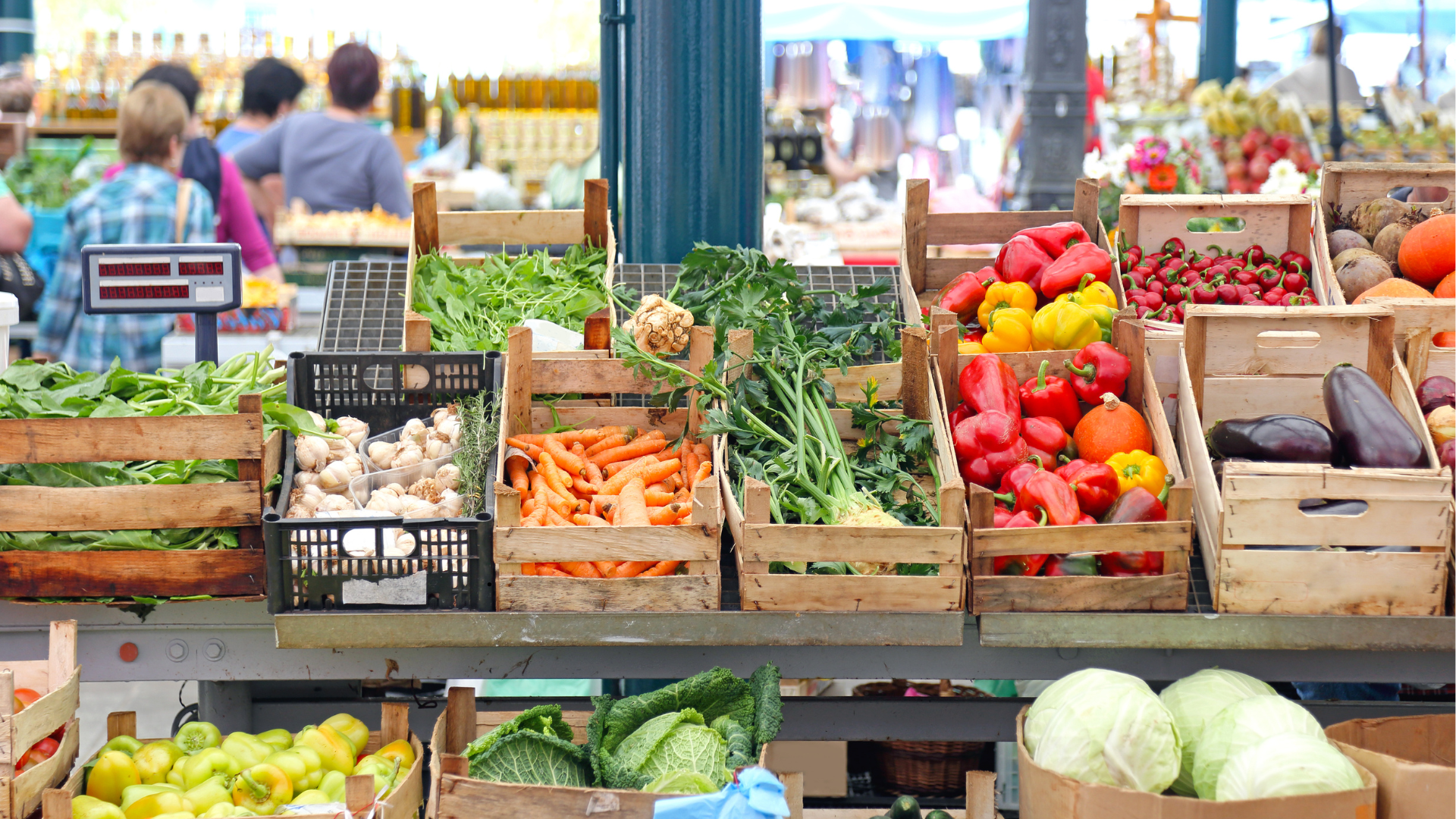
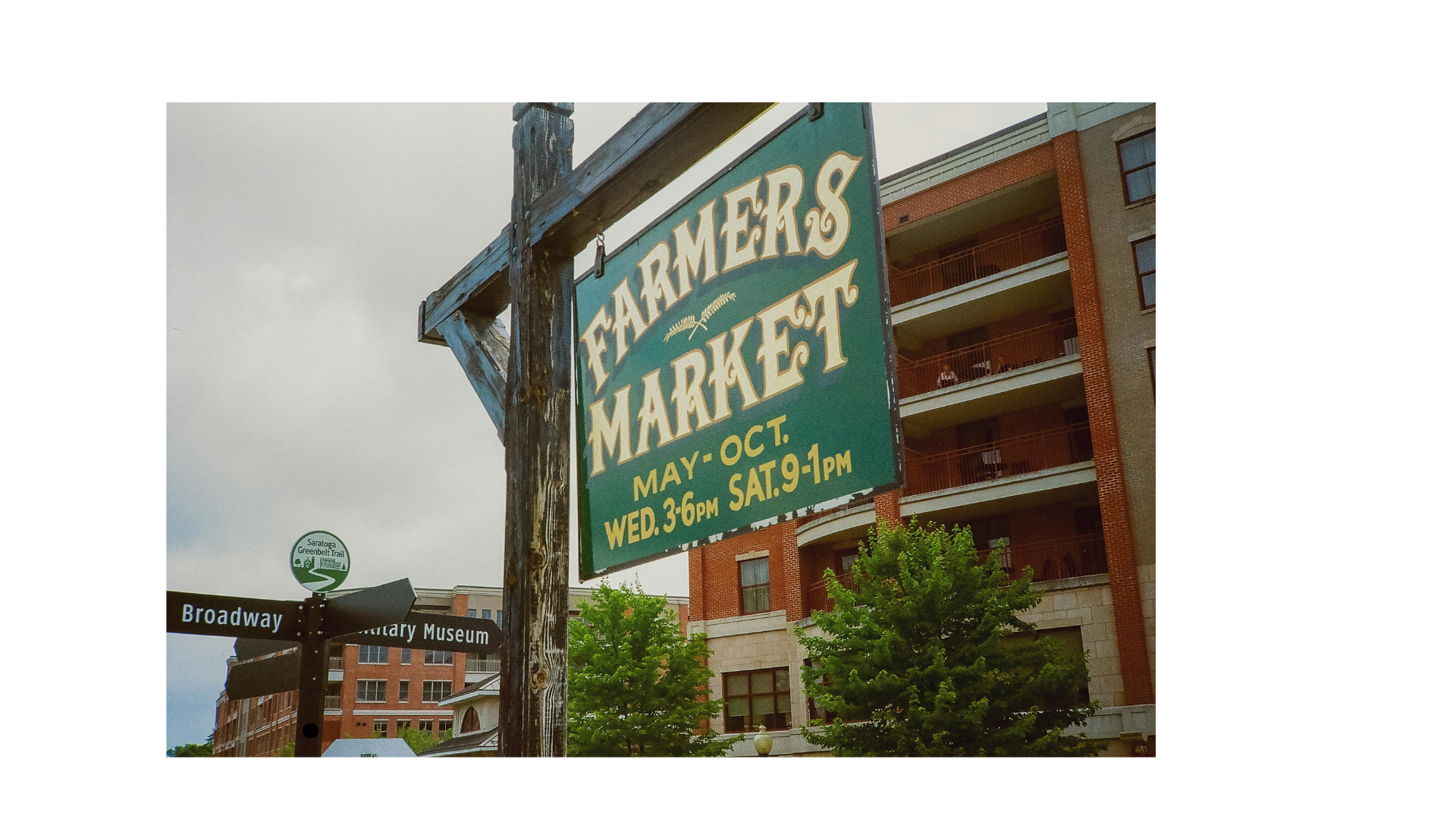
Every Saturday morning, members of your community wake up with a specific goal in mind: a visit to their local farmers market. No one can blame them… it’s the perfect start to a relaxing weekend after a long week of work. Fresh produce, handmade jewelry, baked goods, and bright bouquets of flowers draw a wide variety of people through your gates. Your shoppers will come and go, and they probably won’t put much thought into what it actually costs to run a weekly market.
At this point in your journey as a market manager, you are no stranger to the insurance costs, the permits, and the labor. What society rarely recognizes or applauds you for is the emotional toll that comes with the territory… before, during, and after the market opens.
Before (The Hours Leading Up to Opening)
You arrive to set up, often before the sun rises. You can’t even put your phone down during setup, because vendors are asking questions that were clearly answered in last week’s email. You second guess yourself on whether a specific vendor has paid yet. Then a vendor texts to say they’ve come down with a mysterious illness, and suddenly you’re rearranging your entire booth map before 6am.
When vendors finally arrive, you realize you’ve accepted three sourdough bread vendors and only one fruit vendor for a market that prides itself on fresh, seasonal produce. No one can blame you… it’s not like you have a clean organizational system that flags vendor categories in real time. You’ve been managing it all in a notes app, and the fact that you’ve pulled this off with so few resources is genuinely impressive.
During (Your Market’s Operating Hours)
Setup is done, vendors are in their spots, and shoppers are ready to enjoy their Saturday morning, but your experience of market day looks nothing like theirs.
Your work doesn’t stop when the gates open. You’re making sure every vendor’s accessibility needs are being met, troubleshooting the card reader that died at peak hours, and steadying the first time vendor who looks like they might cry. When your attention isn’t locked on your vendors, you’re making sure shoppers feel welcome, seen, and taken care of. All the while, there’s a pit of anxiety in your stomach because if something goes wrong today, the responsibility lands on you.
It’s not just the big stuff… You’re mediating a noise complaint between a vendor and the live musician. You’re smiling through a 15 minute shopper grievance while keeping one eye on the booth that’s starting to wobble in the wind. You’re holding the entire emotional temperature of the market in your body, all at once, for hours.
After (Post Market Hours)
Congratulations, your market was a success. Everything ran as smoothly as it possibly, given the circumstances. All you want is to go home and take a long nap on the couch.
Before you can do that, you must stay to clean up, making sure you leave the venue in better shape than you found it. You update vendor records, reconcile payments, and follow up on anything that needs addressing before it becomes next week’s problem. By the time the adrenaline wears off, the exhaustion hits all at once. This doesn’t stop you from thinking about how you’re going to do it all again next week.
The Feeling Underneath It All
You manage this market because you love your community. Your vendors feel like family, and there is genuinely no better feeling than watching people light up in a space that you poured yourself into building, but sometimes you look around at the people in your life and notice how freely credit flows in other directions. Healthcare workers are celebrated for their long hours and teachers are recognized for shaping the next generation. They deserve every bit of that praise… and so do you. You just rarely hear it.
You have a deep passion for this work, but you can’t help but feel a little burnt out. Both of those things are true, and neither one cancels the other out.
How Hivey Helps
You shouldn’t have to choose between loving your market and surviving it.
Hivey was built specifically for market managers and event organizers who are doing too much manually and not getting nearly enough back. Here’s where Hivey starts carrying some of that invisible load:
- Vendor applications and categorization so you never accidentally end up with three sourdough vendors and no fruit
- Automated payment tracking so you’re not second guessing who has paid at 5:45am
- Digital booth mapping that updates in real time when a vendor cancels last minute
- Vendor communication tools that reduce the “I have a quick question” texts before sunrise
- Compliance and document collection so certificates of insurance and permits live in one place instead of your inbox
- Post market records that don’t require you to reconstruct the day from memory after a six hour adrenaline run
The heart of your market, the community, the relationships, the magic of a Saturday morning… that part is yours. Hivey just handles the part that’s been quietly wearing you down.
Curious what a smoother market season could look like? Hivey was built for exactly this.