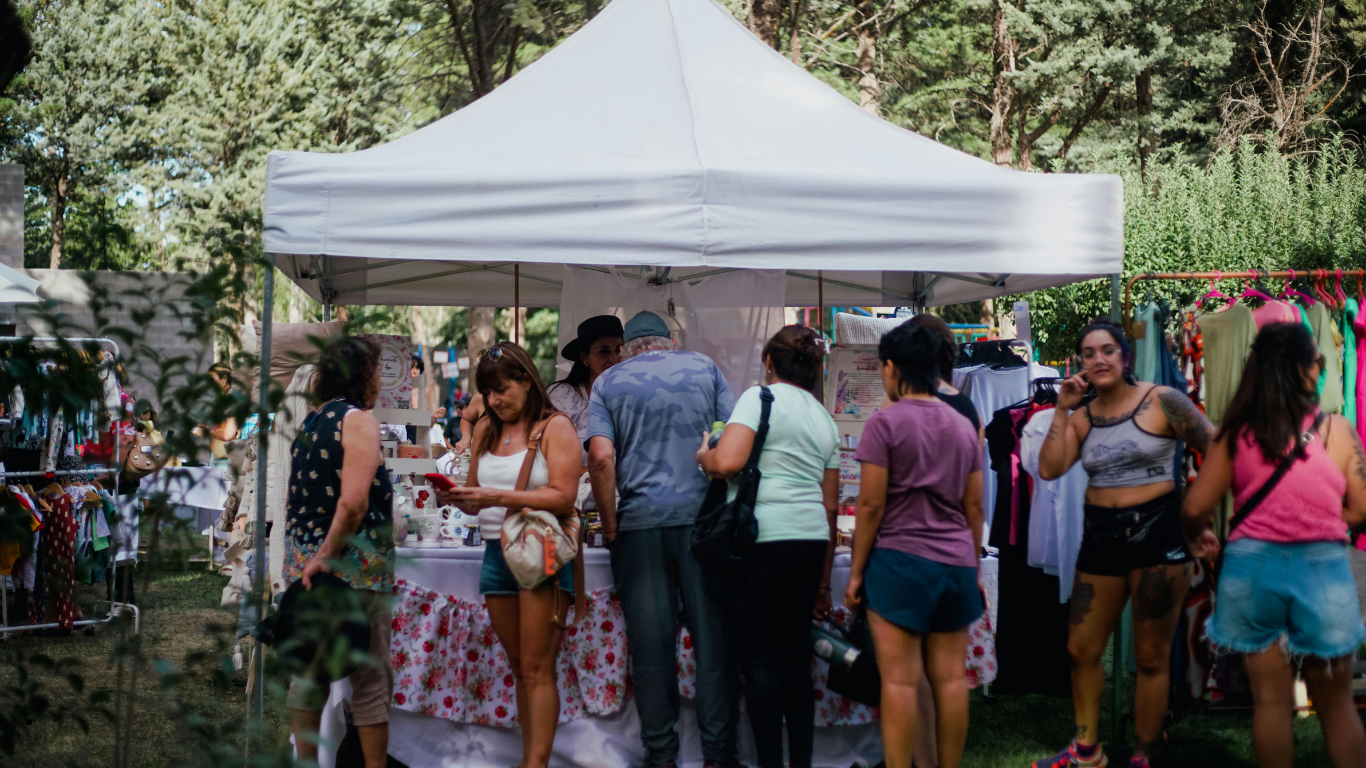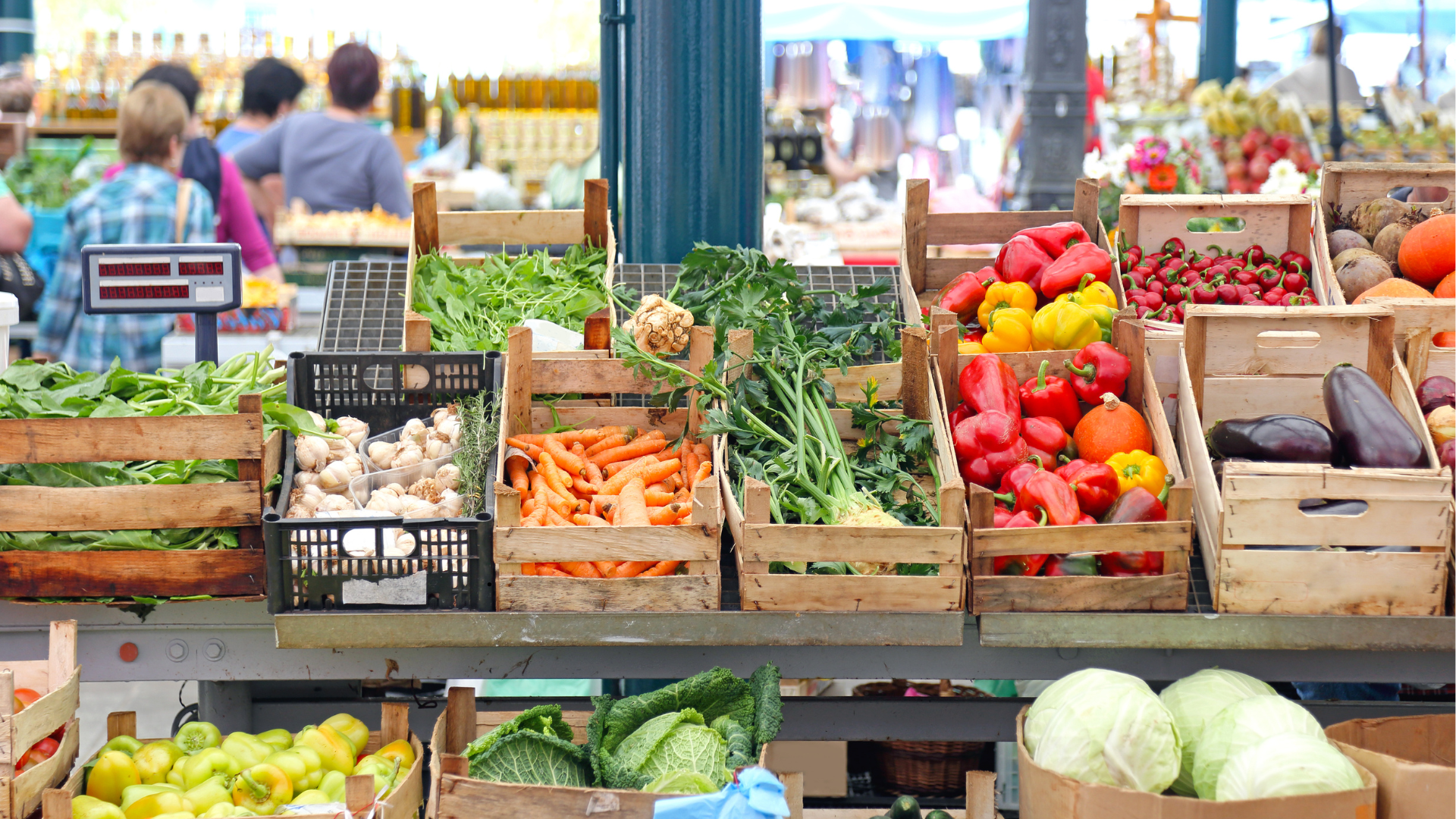
When most people think about farmers markets, their minds go straight to the products they can purchase there. They may associate their neighborhood market with fresh produce right from the source, homemade baked goods, or hand-poured candles. There is nothing wrong with that association. After all, a farmers market is genuinely one of the best places to spend a Saturday morning, but only categorizing them as retail undersells them by a lot. Farmers markets aren’t just retail. They’re community infrastructure.
What Do We Actually Mean by Infrastructure?
Infrastructure refers to the foundational systems that help people within a society function and thrive. It is typically divided into two broad categories:
- Hard infrastructure: Physical, large-scale systems that help a community operate such as transportation networks, utilities, and communications grids
- Soft infrastructure: Institutional, social, and economic systems that raise living standards, such as education, healthcare, and public services
Farmers markets carry qualities of both, but they fit best in the soft infrastructure category. For example, they function as community infrastructure, economic infrastructure, and educational infrastructure all at once. Let’s take a look at each category.
Farmers Markets as Community Infrastructure
Think about the last time you were at a farmers market. Were you the market manager waking up at the crack of dawn for setup? Maybe you were a vendor, selling products that you put your heart and soul into making. Perhaps you showed up simply because it makes you happy.
Whatever brought you there, you probably talked to someone, whether it was a vendor, a neighbor, or a stranger with the cutest dog you’ve ever seen. That wasn’t a coincidence, as markets are meant to be a third space where people have the opportunity to connect with one another.
Six years after the COVID-19 pandemic uprooted everyone’ s lives, the effects of prolonged isolation remain today. After surviving a year of limited in-person contact, a lot of people convinced themselves that they can go about their lives with minimal human interaction. Psychologists have spent decades studying the impact of social interactions and they found that a lack of it takes a measurable toll on both mental and physical wellbeing.
Farmers markets create the conditions for people to connect with each other spontaneously and unexpectedly, which is why people show up to them, again and again.
Farmers Markets as Economic Infrastructure
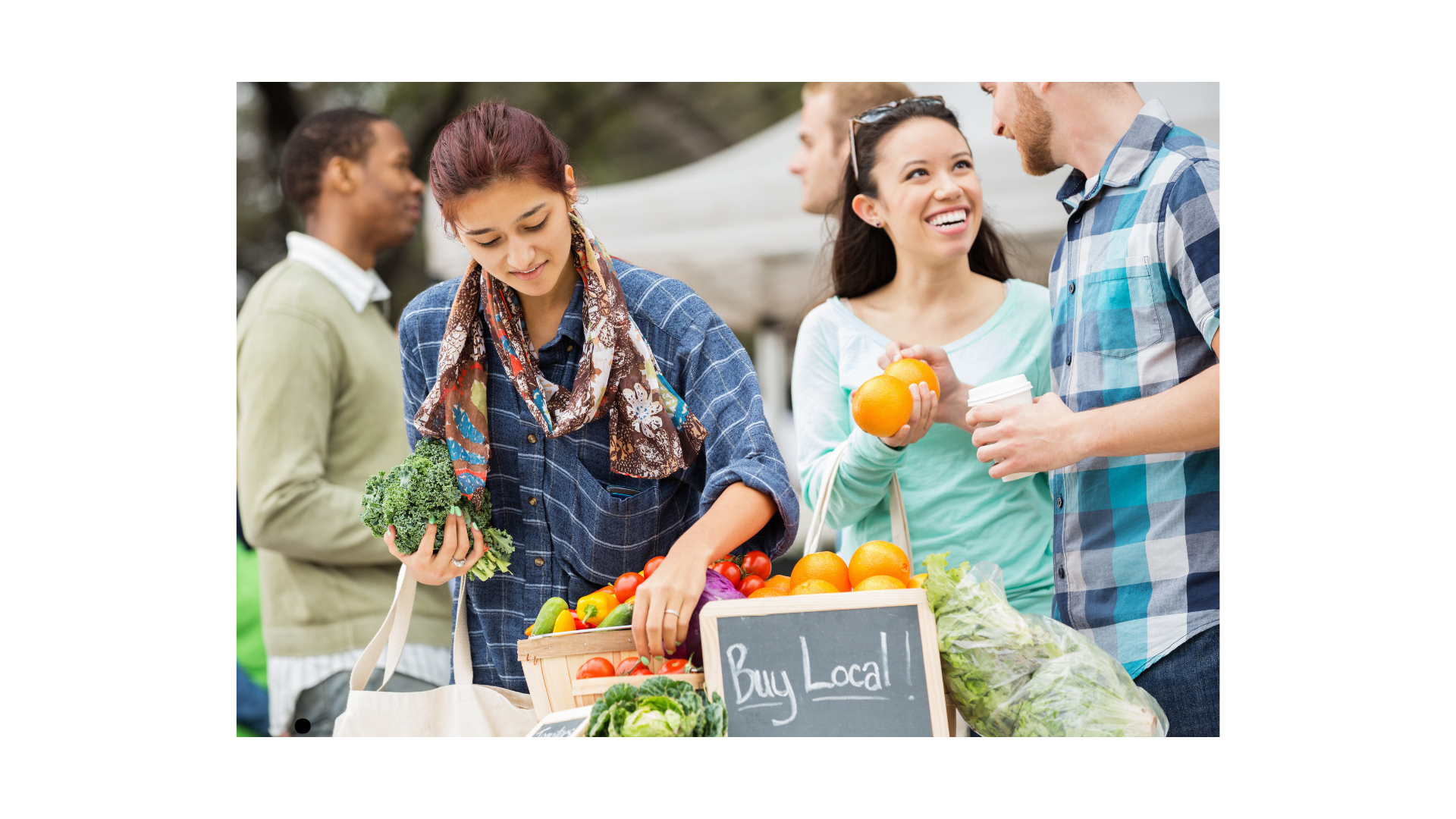
It’s common for farmers markets to source their vendors from within a 50-mile radius. Not only does proximity guarantee fresh products, but it keeps money circulating locally. When a shopper purchases a jar of jam or a bouquet of flowers at their neighborhood market, that money goes directly back into the hands of someone who lives and works in their community.
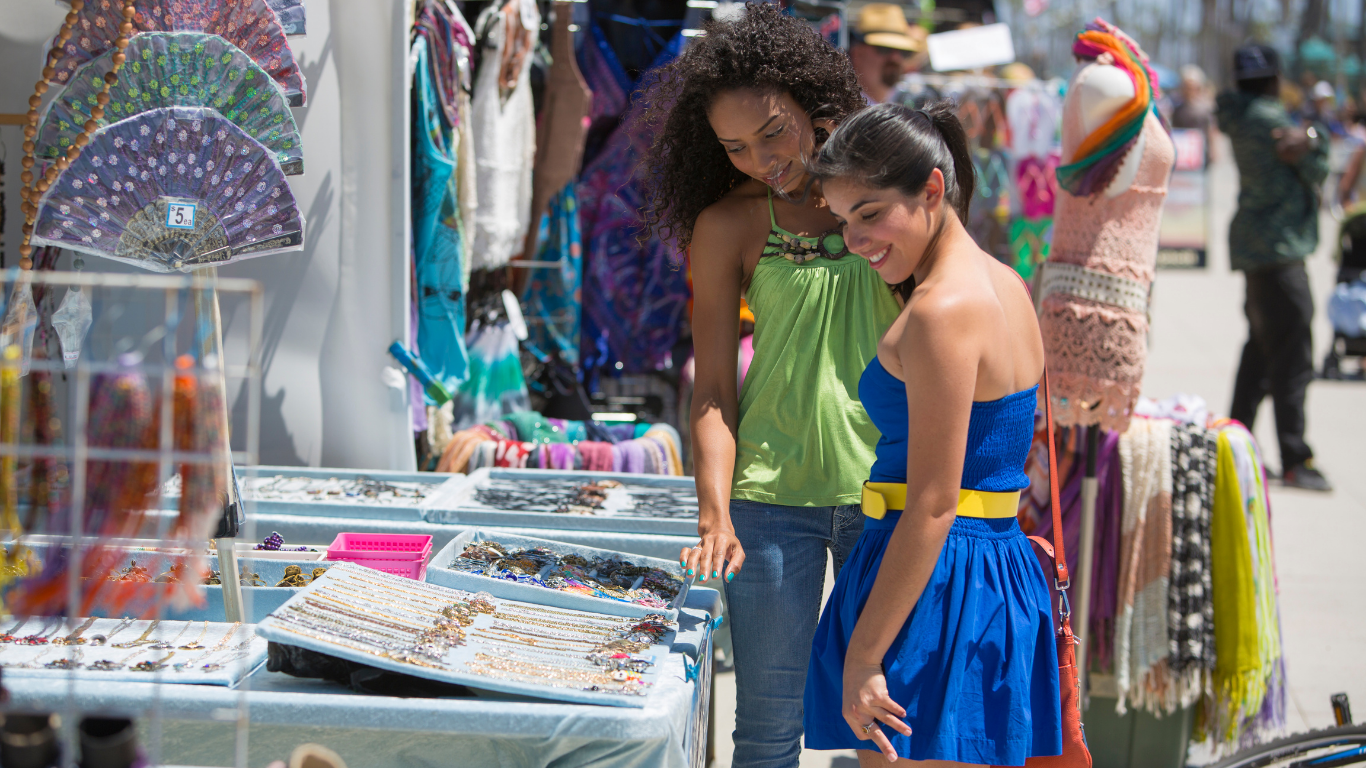
The woman selling jewelry at your local market every weekend started creating because it’s what she loves doing. After a few successful seasons at the market, she has a loyal customer base and a small business, which motivates her to keep going. In cases like this, farmers markets are a starting point that can often lead to something even bigger.
That is what economic infrastructure is meant to do. The purpose is to give people the opportunity to participate in and benefit from their local economy.
Farmers Markets as Educational Infrastructure
Peak farmers market season is often during the summer months, which means school is out and kids are around. Despite being out of the classroom setting, children still have the opportunity to learn. Many markets have programs catered towards children, covering topics such as local agricultural systems, food origins, and environmental sustainability.
Children, however, are not the only group of people who can have an educational experience at a market. A vendor talking through the benefits and origin story of their product can help give customers a greater appreciation and understanding of it. Markets with a diverse vendor mix, including vendors from different cultural backgrounds, create opportunities for exposure to new traditions, ingredients, and perspectives, with food being one of the most popular segways.
So What Does This Mean for the People Who Run Them?
If farmers markets are infrastructure, then the people who manage them are doing infrastructure-level work. They are not just organizing a shopping event, but they are creating community, strengthening the economy, and creating a space where people can learn. These are significant responsibilities, and to uphold them, the right tools and systems are needed.
Your local farmers market is so much more than a place to grab fresh produce on a weekend. It is a system that has the potential to improve the lives of nearly everyone in a community, and the people who build and sustain that system deserve to have the proper resources.
Curious to see what it looks like to run your market with tools that are built to match the work you’re doing? Hivey was built for exactly this.