Five Ways to Give Shoppers a Reason to Come Back to Your Market
Getting someone to visit your market once is a win. Getting them to come back week after week is how you build a market that lasts.
Most market managers already work hard just to get people through the gates. Social posts, vendor recruitment, community partnerships and special events add up to almost a full-time job on their own. Less attention goes to what happens after a first visit.
Whether you run a weekly farmers market, a seasonal holiday market or a series of pop-ups, the most useful farmers market marketing ideas often aren’t about reaching new people. They’re about giving the people you already reached a reason to return. You don’t need a big budget or elaborate programming to do it.
TLDR: Shoppers come back when there’s (1) something new each time, (2) an experience beyond buying, (3) fresh faces in the vendor lineup, (4) a real connection to their community, and (5) a steady stream of reminders about what’s coming next.
1. Give Every Market Day Something Special
If your market runs every Saturday, shoppers may assume every Saturday is the same. Give them a reason to think otherwise.
Themed market days are one of the simplest ways to create excitement and encourage repeat visits. Try ideas like:
- A monthly Kids’ Day with crafts, games or a scavenger hunt
- A Harvest Festival featuring seasonal produce and recipe cards
- A Meet the Maker Day with live demonstrations from vendors
- A holiday shopping event built around locally made gifts
- A music or performance day featuring local bands, dancers or school groups
You don’t have to reinvent the market every week. Even one special activity a month gives shoppers something to put on the calendar.
The goal: Make your market feel like something that’s happening, not just somewhere to shop.
2. Turn Shopping Into an Experience
People can buy vegetables, baked goods and handmade products in plenty of places. What sets your market apart is the experience around those purchases.
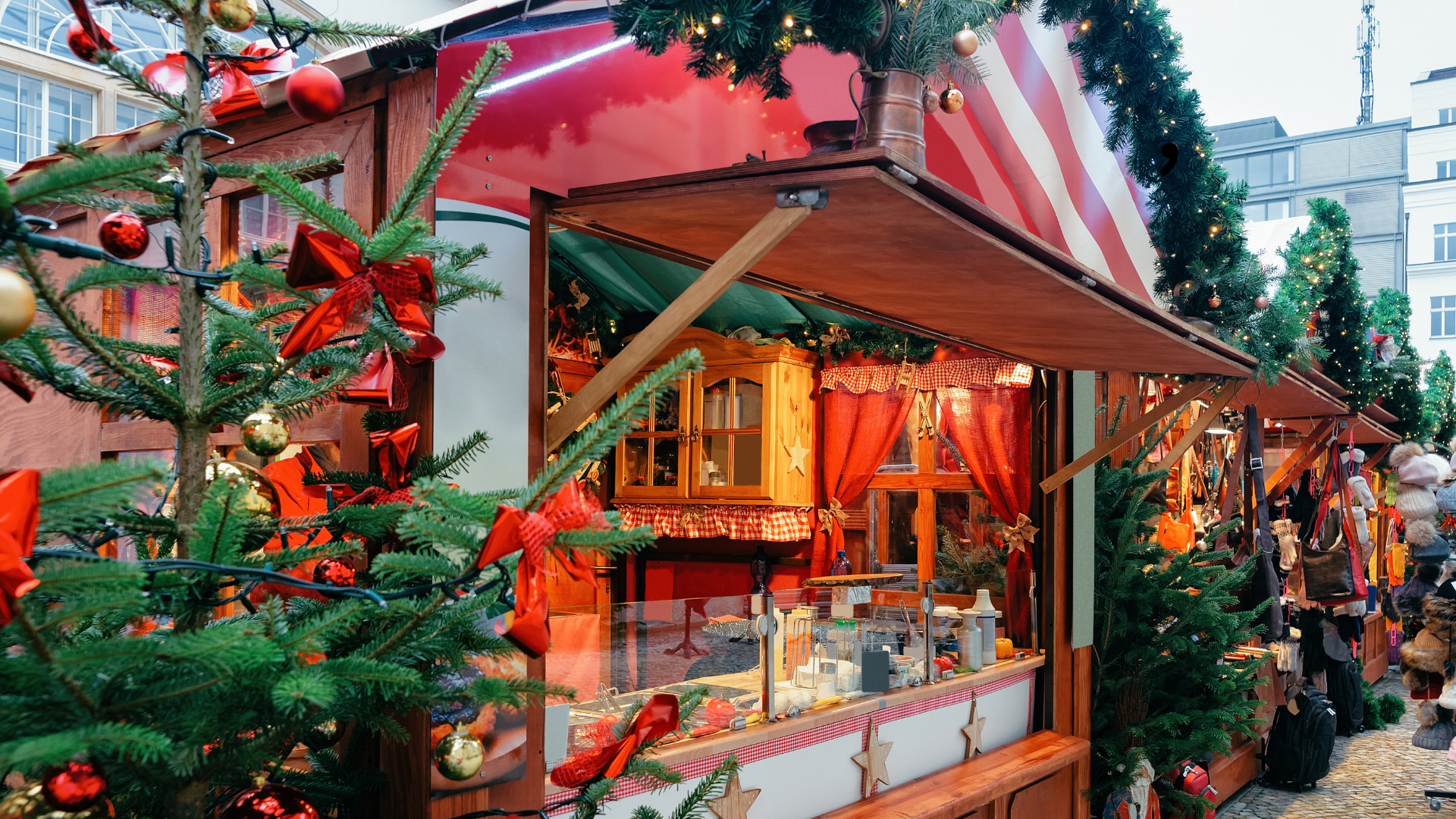
Denver’s Cherry Creek Holiday Market is a good example. Its 2026 season runs November 19 through December 24 on Fillmore Plaza, with an “Après Ski” theme, more than 50 local makers, a live concert series, themed nights and free admission. The market is also part of a larger neighborhood celebration.
That celebration includes the Holiday Cherry Hunt. Businesses across Cherry Creek North hide cherries in their holiday window displays, and shoppers use a mobile map to find them. Anyone who finds 10 cherries unlocks treats and prizes at participating businesses and at the market, such as discounted hot cocoa and gift cards. Participants are also entered to win a larger neighborhood getaway package.
The hunt gets visitors exploring beyond the market, sends them into nearby businesses, and gives them a story to tell. Smaller markets can borrow the idea without a big-city budget:
- Run a market scavenger hunt. Make a simple checklist that sends shoppers to different booths, asks them to find specific seasonal products, or poses trivia about local agriculture.
- Launch a market passport. Shoppers collect stamps from participating vendors over the season.
- Reward completion. Work with vendors to offer a small prize, a discount or a giveaway entry for finished passports.
It’s interactive, it moves people through more of the market, and it gives families something fun to do together. A passport also gives shoppers a concrete reason to come back next week: they have stamps to finish.
3. Keep Your Vendor Lineup Fresh
Your regular vendors are the heart of your market. They’re the familiar faces shoppers look forward to every week.
Rotating in new or guest vendors brings fresh energy to an established market. That might be a baker joining for one weekend, a flower farmer at peak season, or an artisan selling something completely different from your usual mix. Regulars get something new to discover, and each new vendor brings their own followers to your market.
A few ways to make it work:
- Reserve a handful of booths for rotating guest vendors.
- Invite seasonal businesses during peak shopping periods.
- Feature one vendor each week on social media.
- Host themed vendor days for specific product categories.
- Give emerging makers a low-risk place to test their products.
Then promote the changes. A simple “Three New Vendors Joining Us This Saturday!” post can bring back someone who visited last weekend.
The key is balance: Regular vendors build loyalty. New vendors bring discovery.
4. Get the Whole Community Involved
The most successful markets are about more than shopping. They’re gathering places where neighbors connect, local organizations show up and small businesses support each other. When people feel connected to your market, they make it part of their routine.
Partner with local organizations on activities that benefit the wider community:
- Invite a local nonprofit to host an educational booth.
- Team up with a nearby coffee shop or restaurant on a joint promotion.
- Feature student musicians or local performers.
- Organize a food drive or charitable collection.
- Work with downtown businesses on a neighborhood-wide shopping event.
Cherry Creek shows how strong these connections can be. Instead of treating the market as a standalone event, organizers tied it to the shops, restaurants and experiences around it.
For a smaller market, this could be as simple as a nearby café offering a discount to anyone who shows a market receipt. Partnerships like that build community and give every business involved a chance to reach new customers.
5. Give Shoppers Something to Look Forward To
Sometimes getting shoppers back is as simple as telling them what’s coming next.
You might have great vendors, peak-season produce and fun events planned. But if people don’t know about them, they have no reason to change their weekend plans. Build anticipation by sharing what’s coming at your next market: new vendors, seasonal products, activities and special appearances.
Try a simple weekly rhythm:
- Monday: Recap the weekend and tease what’s next.
- Wednesday: Spotlight a vendor, seasonal product or upcoming activity.
- Friday: Post a reminder with hours, location, vendor highlights and anything special happening that weekend.
Invite shoppers to join an email list too, so updates go straight to their inbox instead of depending on the algorithm.
The more consistently you communicate, the easier it is for people to build your market into their week. You don’t need something extraordinary every weekend, either. Sometimes “Your favorite bread vendor is back” or “Strawberries are finally here” is all it takes.
The Best Markets Give People More Than a Place to Shop
Farmers markets and pop-up markets offer something traditional retail rarely can: connection.
People come for fresh produce, handmade goods and local businesses. They come back for the atmosphere, the familiar faces and the moments that make their community feel like home.
Giving shoppers reasons to return doesn’t have to pile more work onto an already full schedule. Start small. Add one themed market day, try a weekly vendor spotlight, or organize one simple community activity.
Remember that your vendors are a big part of what makes your market special. When they get chances to take part, collaborate and connect with shoppers, the whole experience gets better.
When your market becomes something people look forward to, they stop being visitors and become part of your community.
Frequently Asked Questions
How do I increase repeat visits to my farmers market? Give shoppers something new on every visit, such as themed days, guest vendors or seasonal events. Then remind them about it before market day with a regular social media and email schedule.
What are low-cost farmers market event ideas? Scavenger hunts, market passports, Kids’ Days, Meet the Maker demonstrations, local musicians and nonprofit booths all cost little to run and give shoppers a reason to come back.
How often should a farmers market post on social media? A simple rhythm of three posts a week works well: a Monday recap, a midweek spotlight and a Friday reminder. It keeps your market top of mind without overwhelming your schedule.
Spend Less Time on Logistics and More Time Building Your Market
Every great market experience takes a lot of planning behind the scenes. Rotating guest vendors, scheduling special events, collecting payments and keeping everyone informed adds up fast.
Hivey simplifies that work for market managers. It brings vendor applications, flexible scheduling, booth assignments, automated payments and vendor communications together in one platform, so you can spend less time juggling spreadsheets and emails and more time creating a market your community loves.