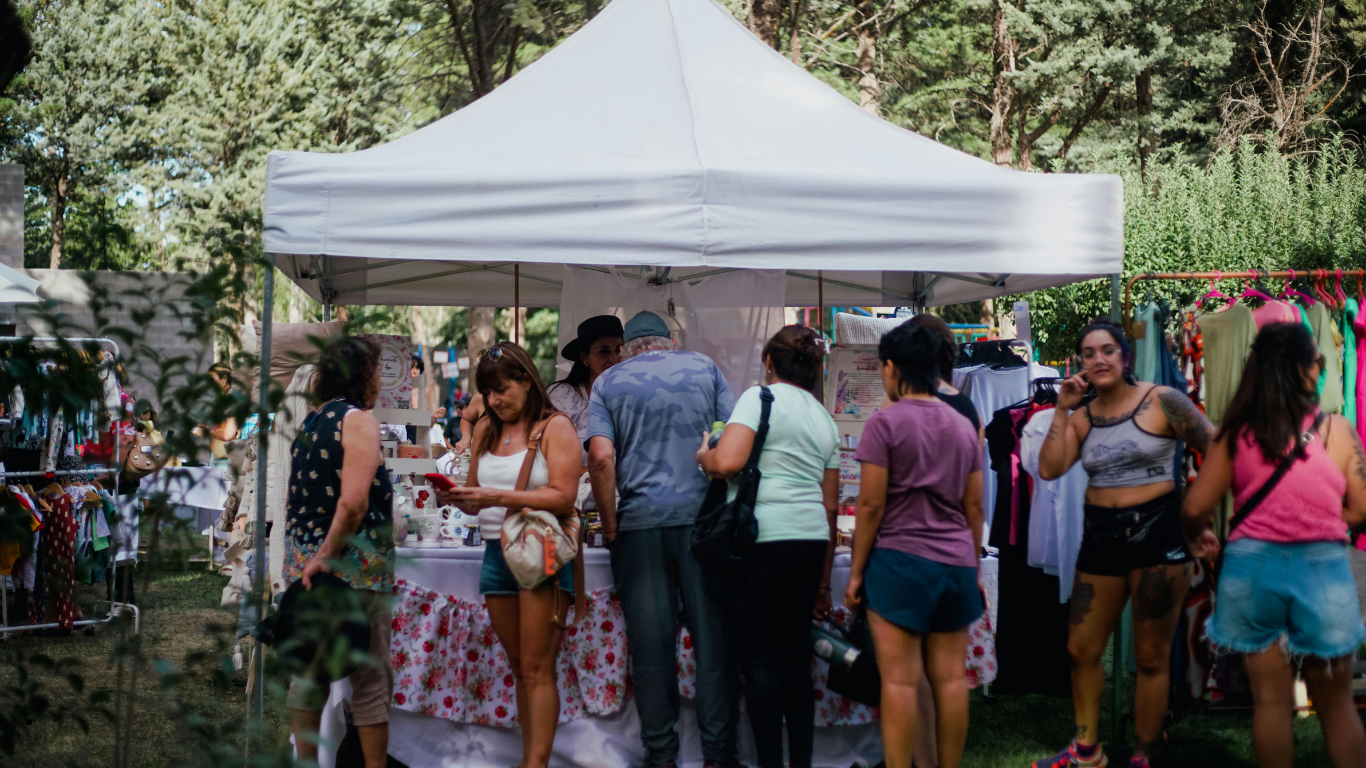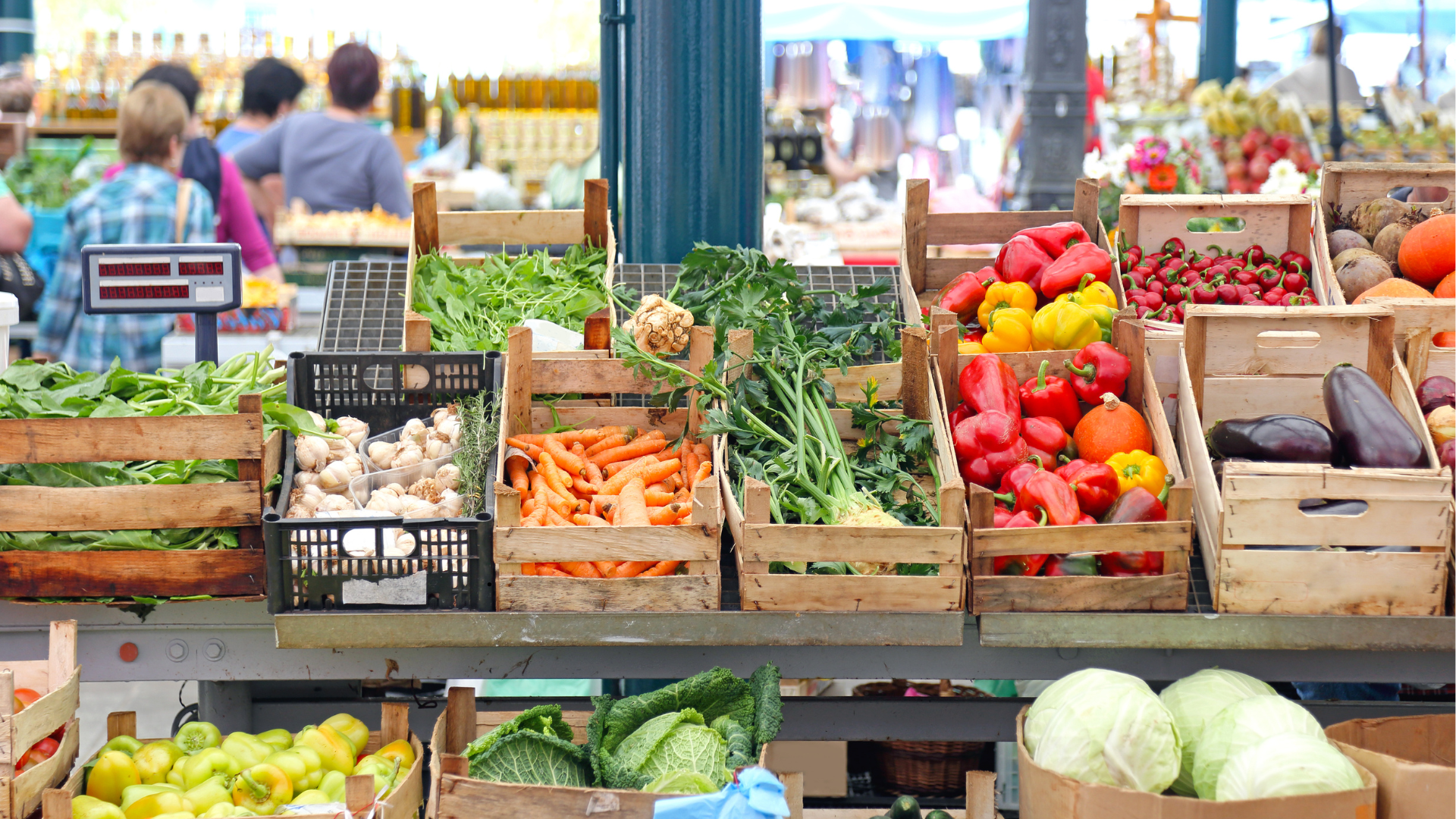

Picture a busy Saturday morning at your local farmers market. The smell of fresh bread, the towers of strawberries, the easy feeling of a community doing what communities do best. It looks effortless.
It isn’t. Someone built that — and they were up at 5am to make it happen.
Market managers don’t just run events. They build brands. And the sooner we name that work for what it is, the better we understand the scale of what these operators actually carry.
You’re Not Running a Market. You’re Building a Local Identity.
Every vendor you select is a curatorial decision. Every booth placement is a design choice. Every shopper who leaves happy is a reflection of the experience you engineered before they ever arrived.
The farmers market, in most towns, has become shorthand for something much larger than produce. It’s where the community takes its own temperature. It’s a weekly answer to the question: what kind of place do we want to be?
And you’re the one writing that answer. Week after week, season after season.
That’s brand building. Even if nobody’s called it that until now.
The Work No One Sees (But Everyone Benefits From)
Here’s what a typical market manager is juggling behind the scenes — none of which shows up in a job description, and all of which shapes the brand:
- Content creation: social posts, newsletters, event listings, vendor spotlights
- Press and community outreach: coordinating with local media, tourism boards, neighborhood groups
- Vendor curation: balancing categories, protecting market character, managing waitlists
- Financial stewardship: insurance, permits, staff, marketing, supplies
- Brand protection: deciding when a vendor application doesn’t fit, even when the money would be welcome
That last one is underappreciated. Saying no to the wrong vendor — or yes to the right one — is an act of brand management. It takes judgment that no software can fully replace, because it requires knowing what your market is, not just what it has.
The Hidden Cost of Doing It Manually
Here’s the tension: market managers are doing the work of a marketing director, an operations manager, and a community liaison — often alone, often on tools that weren’t built for any of this.
The spreadsheet tracking 60 vendor applications. The inbox with 40 emails before 8am. The booth map built in Google Slides and reprinted three times because someone changed their mind. The insurance certificates saved in a folder that’s probably fine, hopefully fine.
These systems work, technically. Until they don’t. And when they crack — a double-booked booth, a compliance gap, a vendor who didn’t get the cancellation notice — it’s not just an operations problem. It’s a brand problem. Because the market’s reputation is yours.
The irony is that manual management doesn’t just create stress. It actively limits what you can build. When you’re spending Sunday night chasing payment confirmations instead of planning your fall lineup or dreaming up a holiday market, your vision shrinks to fit your bandwidth.
What Brand-Building Market Managers Actually Need
The best market managers we’ve seen aren’t the ones who grind hardest. They’re the ones who’ve protected their creative energy — the judgment, the vision, the community instincts — by getting the repetitive stuff off their plate.
That means systems for:
- Vendor applications that don’t require 12 follow-up emails per applicant
- Payment tracking that doesn’t live in a spreadsheet (or your DMs)
- Compliance management that tells you whose insurance is expiring before market day
- Booth maps that update when a vendor cancels, not when you find out about it
- Mass communications that reach 50 vendors in one step, not 50 separate messages
None of this is glamorous. But clearing these tasks from your plate is what makes space for the work that actually builds something: the vendor relationships, the community programming, the identity that makes your market worth driving to.
The Market That Outlasts You
There’s something worth sitting with here. The most beloved farmers markets in any region aren’t remembered for their operational efficiency. They’re remembered for feeling like somewhere. For being part of the town’s story.
That feeling didn’t happen accidentally. Someone made thousands of small decisions to create it — and thousands more to protect it.
In a world where hyper-local commerce is having a genuine moment, where consumers are actively seeking out the farm, the maker, the story behind what they buy, the market manager’s role has never been more culturally significant. These aren’t just weekend events. They’re economic infrastructure for local producers. They’re community anchors. They’re, in their own way, a form of civic pride.
You built that. You maintain it every single week, show up before anyone else arrives, and stay until the last booth is packed up.
That’s not just business ownership. That’s legacy work.
Curious what it looks like when your operations finally catch up to your vision? Hivey was built for market managers who are ready to stop managing chaos and start building something that lasts. See how it works.