
Start here
Before starting a winter farmers market, plan four things first: whether you have enough vendors with winter product, a venue that works in the cold, a schedule shoppers can count on, and a fee structure that makes sense for a shorter, slower season. Get those right and everything else (floor plans, marketing, market-day logistics) falls into place much more easily.
If you’re even considering this, you probably already run a summer market. You know the rhythm. You know the vendors. And you’ve noticed that when the season ends in October, your shoppers don’t stop wanting local eggs, bread, and honey. They just stop having somewhere to buy them.
A winter market can fill that gap, keep your vendors earning, and keep your community in the habit of showing up. It’s also a genuinely different animal than your summer market. Here’s what to think through before you announce a single date.
1. Confirm you have the vendors (and the shoppers)
The first question isn’t “where?” or “when?” It’s “who’s actually going to sell?” In summer, vendors find you. In winter, you may need to go find them.
Winter-friendly products usually include:
- Storage crops like potatoes, onions, squash, carrots, and apples
- Meat, eggs, and dairy
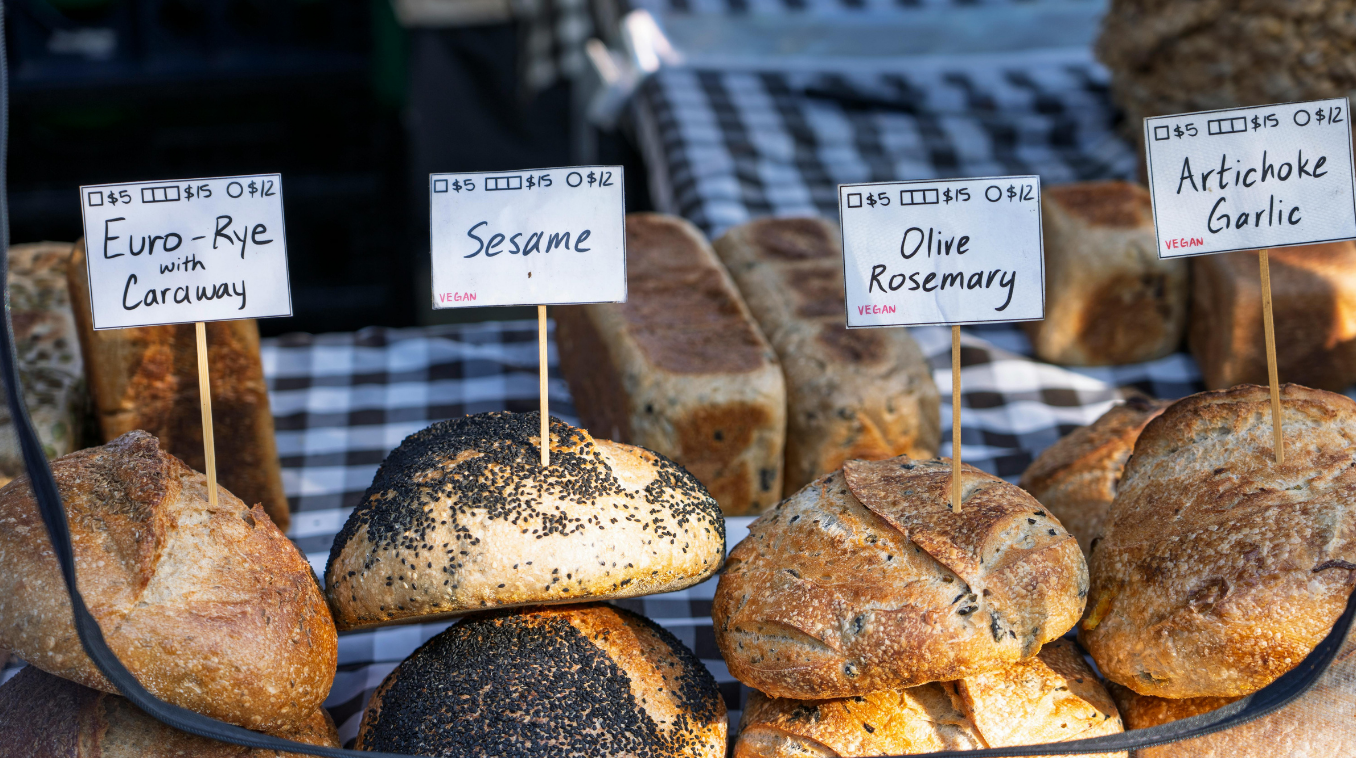
- Baked goods, preserves, honey, and maple products
- Greenhouse or hoop-house greens and microgreens
- Prepared foods, coffee, and hot drinks
- Crafts, candles, soap, and holiday gifts
Before you commit, survey your existing vendors. Ask who has product through the winter, how often they could realistically attend, and what booth fee would make the trip worth it. If your list is mostly tomato growers, that’s useful to know now rather than in January.
Then gut-check demand. Ask your summer shoppers directly, in a newsletter or at your info booth. A handful of enthusiastic “yes, please” replies tells you more than a hunch.
2. Lock down a venue that works in the cold
Your venue decision shapes almost everything else: how many vendors you can fit, what you can charge, and whether shoppers will actually come when it’s 19 degrees out.
Common winter venues include school gyms and cafeterias, church and community halls, barns, breweries, greenhouses, empty retail spaces, and covered pavilions. Some markets stay outdoors and lean into the cozy factor with fire pits and hot cider, but that’s a bigger bet on weather and vendor stamina.
When you tour a space, ask about:
- Heat and power. Can vendors plug in? How many outlets, and where?
- Load-in. Is there a door close to parking, and can vendors unload without hauling crates across ice?
- Floor and capacity. How many tables actually fit once you leave room for aisles and foot traffic?
- Accessibility and restrooms. Shoppers will stay longer if they’re comfortable.
- Cost and availability. Can you book the same day every week or month, all season?
Get the agreement in writing, including what happens if the venue needs the space back for another event.
3. Pick a schedule people can remember
You don’t have to match your summer frequency. Many winter markets run every other week or once a month, which is easier on vendors whose supply is thinner and on you.
A few common approaches:
- Weekly, for markets with strong vendor depth and an indoor venue they can count on
- Biweekly, a popular middle ground that keeps momentum without burning anyone out
- Monthly, which works well as a destination event with a bigger vendor mix
- Holiday pop-ups, one or two special markets in November and December to test the waters
Whatever you choose, keep it consistent. “Second and fourth Saturday, 10 to 1” is easy to remember. A schedule that shifts around the venue’s calendar is not.
If you’re unsure, start with a short holiday run. It’s a low-risk way to see who shows up before you commit to January through March.
4. Set fees that fit a shorter, slower season
Winter math is different. Foot traffic is usually lighter, vendors have less to sell, and your venue may cost more than a summer parking lot. Your fees need to cover your costs without scaring off the vendors you worked so hard to recruit.
Things to decide up front:
- Daily booth fee vs. season pass. A season pass gives vendors a simple, one-time commitment and gives you predictable revenue. Daily fees give vendors flexibility if they’re not sure they’ll have product every date.
- Full-time vs. part-time options. Offering both lets your core vendors commit while still making room for seasonal or occasional sellers.
- Fees by category. A prepared-food vendor plugging into power may reasonably pay more than a jam maker with a six-foot table.
- Late payments. Decide now what happens when a fee is overdue, so you’re not making it up in February.
In Hivey, you can set Configurable Fees by vendor category on any event or series, and offer Season Passes with full-time and part-time tiers that vendors buy to cover fees across the whole season. Automated Fee Reminders and Late Fees handle the follow-up, so you’re not the one sending awkward “just checking in!” emails.
5. Plan an indoor floor plan before you sell a single booth
Indoor spaces are tighter than they look. Between the bleachers, the stage, the fire exits, and that one pillar in the middle of the room, your “40-booth” gym might really be a 26-booth gym.
Sketch the layout before you set capacity. Mark outlets, doors, and load-in points, then place vendors who need power near outlets. Spread your anchor vendors (the coffee, the bakery, the farmer everyone loves) around the room so shoppers walk the whole space instead of clustering by the entrance.
With Hivey’s Booth Layout Designer, you can draw your floor plan on a visual canvas, then drag and drop approved vendors into specific booths. Assignments stay in draft until you publish them, so you can shuffle as much as you need. Once the layout works, save it as a reusable layout template so every winter date starts from the same map.
6. Recruit and vet vendors with a real application
It’s tempting to skip a formal application for a smaller winter market and just text your regulars. Resist that urge. A winter market is still a market, and you still need the same basics: contact info, product category, permits, and insurance.
A good winter application asks:
- What will you realistically have to sell from December through March?
- Which dates can you commit to?
- Do you need power or extra space?
- Can you upload your current permits and certificate of insurance?
In Hivey, you can add Custom Application Questions to a specific event or series, define Required Documents vendors must upload to apply, and review everything in one place with Deep Vendor Review. Approve, reject, or waitlist applicants individually or in bulk, and vendors are notified automatically. Your Vendor Directory keeps the history of everyone who’s sold with you, which makes inviting summer vendors back for winter a lot faster.
Insurance matters just as much indoors, and many venues will ask for proof. Hivey’s insurance tools let you require certificates of insurance per event, review and approve uploaded COIs, and track each vendor’s compliance status.
7. Build a weather and communication plan now, not at 6 a.m. on market day
At some point this winter, it’s going to snow on a market day. Decide today how you’ll handle it, so the call isn’t made in your pajamas while 30 vendors text you at once.
Your plan should cover:
- Who makes the call to cancel or delay, and by what time
- How vendors and shoppers hear about it (email, social, your website)
- What happens to fees for a canceled date: credit, refund, or no change
- Arrival instructions for icy lots, load-in timing, and where to park
Put the policy in your vendor application so nobody is surprised later.
Hivey’s Arrival & Event Instructions let you publish load-in and day-of details vendors see ahead of time, along with their assigned booth. On market day, the Event-Day Console gives you a live view of your vendor list and booth map in one place. And if a vendor drops out, Waitlist Management lets you promote the next vendor in line instead of leaving a cold, empty table.
8. Get shoppers in the door
Your summer crowd won’t automatically know you’re open in January. Start promoting before your summer season ends, while you still have their attention.
- Announce winter dates at your last few summer markets with signage and flyers
- Ask vendors to share the dates with their own customers and followers
- Give people a reason to come out in the cold: live music, a hot cocoa stand, a holiday gift theme, or a kids’ activity
- Post the venue address and parking details everywhere, since it’s probably not where people are used to finding you
On the vendor side, Hivey’s Public Market Page lists your open markets for vendors to browse and apply to, and New-Event Broadcasts notify relevant vendors the moment a new market opens. That’s one less round of “hey, are you doing winter?” messages.
Frequently asked questions
What do vendors sell at a winter farmers market? Most winter markets feature storage crops, meat, eggs, dairy, baked goods, preserves, honey, greenhouse greens, prepared foods, and handmade gifts. The exact mix depends on your region and how many local growers use greenhouses or hoop houses.
How often should a winter farmers market run? There’s no single right answer. Many winter markets run every other week or once a month to match thinner vendor supply. Weekly markets can work well with an indoor venue and a deep vendor list.
Do winter farmers markets need to be indoors? Not always, but indoor or covered venues make it easier to keep vendors and shoppers comfortable and to stay open through bad weather. Outdoor winter markets can work with a strong weather plan and loyal regulars.
How should I price booth fees for a winter market? Start with your venue and operating costs, then weigh lighter winter foot traffic. Many markets offer both a season pass and a daily fee, and some price by vendor category, such as charging more for booths that need power.
How far ahead should I start planning a winter market? You can never start too soon. If you can, start in the summer, when you can survey vendors and shoppers in person, book a venue before it fills up, and promote winter dates to the crowd you already have.
Run your winter season without starting from scratch
A winter market shouldn’t mean rebuilding your whole system on a smaller budget. With Hivey, you can run your winter dates as a single Recurring Series, collect applications and fees across the whole season, and reuse the forms, categories, and floor plans you already built for summer.
Hivey uses flat monthly subscription pricing, so you’re not paying more every time you add a winter date or a booth. More than 4,000+ vendors have been onboarded on Hivey, and almost $1M in vendor fees have been collected through the platform.
Thinking about adding a winter season? Book a demo and we’ll walk through how to set it up.