
The most organized farmers markets don’t get that way by accident.
They’re built in the offseason.
If you’re a farmers market manager, the weeks (or months) before opening day are your biggest opportunity to prevent in-season stress. Once the market starts, you won’t have time to rebuild systems — you’ll just be reacting.
Here are three essential systems every farmers market manager should set up in the offseason to avoid payment confusion, booth map chaos, and endless vendor emails.
1. Automate Vendor Payments and Customize Booth Fee Structures
Nothing creates stress faster than unclear payment records.
During the season, managers often deal with:
“Did you get my check?” emails
Confusion over booth fees and add-ons
Late payments
Manual spreadsheets tracking who owes what
Separate invoices for electricity, water, or premium spots
Instead of scrambling in-season, set up your vendor payment system now.
What to Prepare in the Offseason:
Clear booth fee tiers (weekly, seasonal, daily, etc.)
Add-on fees (electricity, corner booth, water access)
Defined payment deadlines
Automatic late fees (if applicable)
Auto-confirmations for received payments
Automated invoice reminders
When your payment system is customized and automated, vendors know exactly what they owe and when. You eliminate repetitive emails and reduce manual tracking.
Using farmers market management software like Hivey allows you to centralize vendor payment details, automate reminders, and track payments in one place — instead of juggling spreadsheets and inbox threads.
Offseason payoff: No more chasing payments during your busiest weeks.
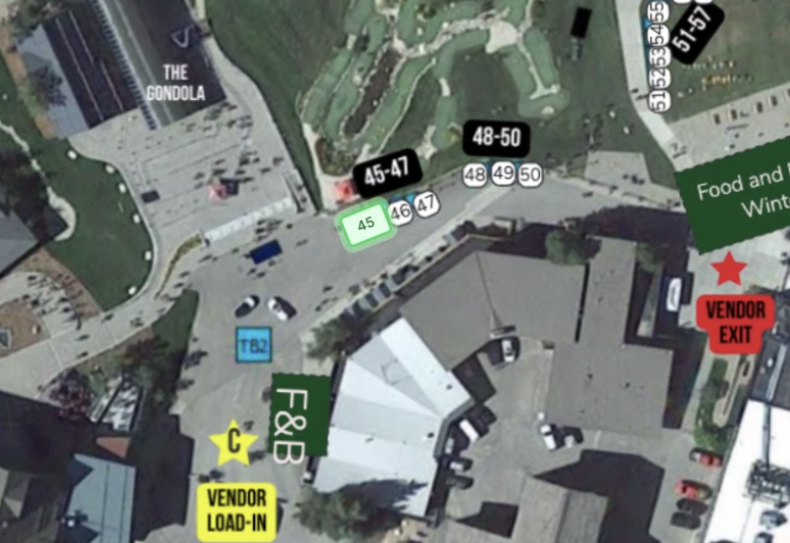
2. Create a Master Farmers Market Booth Map Template
Your booth map will change all season long.
Vendors cancel. Weather shifts layouts. New vendors join mid-season. Sponsors need placement. Electricity access matters. If you rebuild your layout every week, you’re wasting hours.
The solution? Build a flexible booth map template now.
What to Set Up:
A master layout template
Clearly labeled zones (produce, prepared foods, crafts, sponsors)
Electricity and utility markers
Reserved or premium spots
“Flex” booths for last-minute swaps
Recurring vendor placements saved
When your foundation is built, weekly adjustments take minutes — not hours.
Farmers market software that includes modern booth map management makes it easy to drag, drop, and adjust vendors without redesigning your layout from scratch.
Offseason payoff: Faster edits, fewer layout mistakes, smoother market mornings.
3. Set Up Structured Vendor Communications Before the Season Starts
One of the biggest hidden drains on farmers market managers is repetitive communication.
In-season, inboxes fill with:
“What time is setup?”
“Where is my booth this week?”
“When is payment due?”
“What happens if it rains?”
Most of these questions are preventable.
What to Build Now:
A welcome email sequence for approved vendors
Automated payment reminders
Weekly market-day reminder emails
Weather and emergency templates
A centralized place vendors can check details
Clear communication policies
When expectations are clear and reminders are automated, vendors don’t need to email you for basic information.
With a centralized vendor communication system, you can schedule reminders, send announcements, and reduce repetitive questions — all without drafting new emails every week.
Offseason payoff: Fewer last-minute messages and less burnout.
Why Offseason Systems Matter in Farmers Market Management
Once your season begins, your focus shifts to:
Vendor check-in
Customer experience
Weather coordination
City compliance
On-site problem solving
You won’t have time to fix broken systems.
Markets that feel “organized” during the season typically invested in:
Automated vendor payment systems
Flexible booth map templates
Structured communication workflows
They built their systems when things were quiet.
Simplify Farmers Market Management with the Right Tools
Managing a farmers market requires organization across payments, booth assignments, and vendor communication. Trying to handle everything through spreadsheets, email chains, and design tools creates unnecessary stress.
Hivey helps farmers market managers:
Customize and automate vendor payments
Create and edit booth map templates easily
Centralize and automate vendor communications
Instead of piecing together multiple systems, you can manage everything in one place — before the season even begins.
Final Thought
If you’re in the offseason right now, this is your moment.
Set up your vendor payment system. Finalize your booth map template. Automate your vendor communication.
Your opening day — and your future self — will thank you.